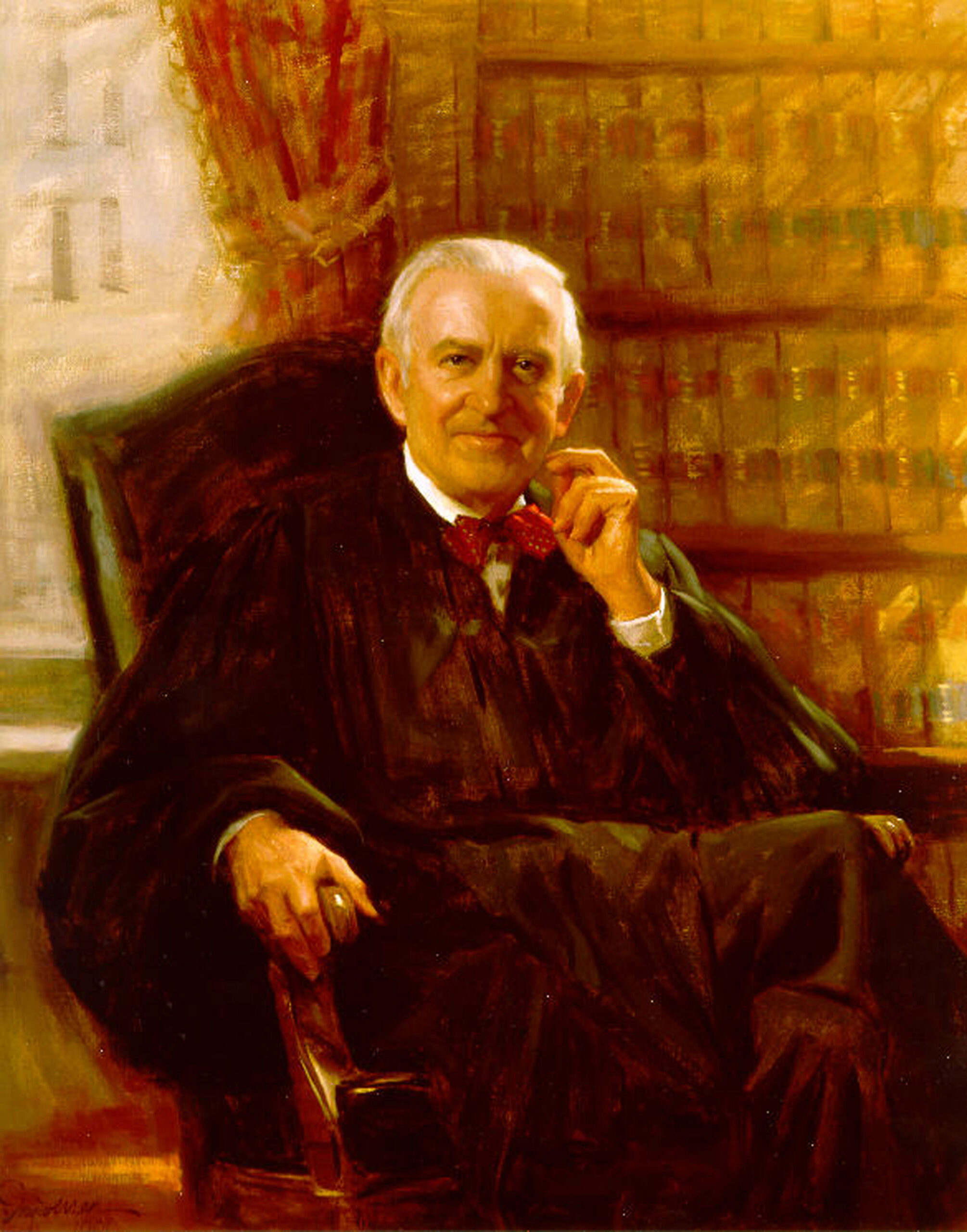
This past year we lost a friend who, for over a half century, was unchallenged as Chicago’s premier portrait artist.
The irony of Ingwersen’s life is that although his work was, and still is, of the highest level in traditional American art, he remains little known outside of Chicago and a few surrounding states. But here in our region he was always the most prominent, successful and prolific portrait artist. It is no exaggeration to say that during his lifetime he was the best kept secret in American painting. To a degree that was his choice. When I asked him once if he would consider showing his work in a national exhibition of realist painters, he said, “Why? Why would I do that? I already have everything I need.” He was private and noncompetitive, secure in knowing who he was and in the quality of his work.
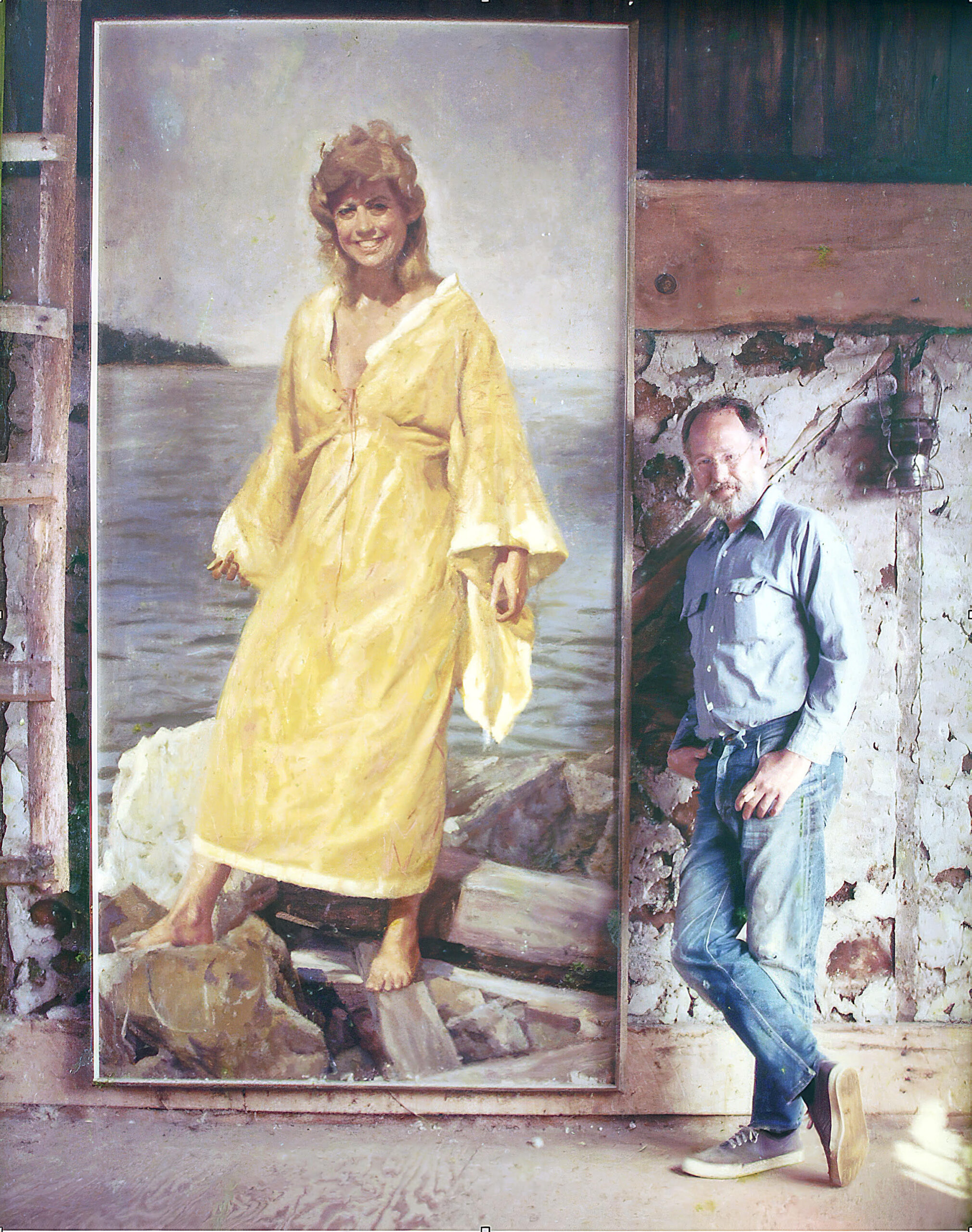
Ingwersen didn’t court fame. In that respect he was like the great portraitist Diego Velázquez who, aside from a few years in Italy, did not venture far from the court of Philip IV, the 17th century king of Spain. Although Velázquez’s portrait paintings were valued always for their historical significance, the importance of his work based simply on their aesthetic qualities was not fully recognized until a couple centuries after his lifetime. Maybe someday the greatness of Jim’s work will also find it’s just due.
Jim was a sensualist as a painter, like the artists he most admired, Anders Zorn, John Singer Sargent, Nicolai Fechin. In the traditions established by these artists his work shows a mastery of his medium and a genuine love for the act of painting. His primary interest, was always in the way the paint was applied to canvas. His portraits in this way are solid, elegant, graceful performances, the result of experience and hard work that he transformed for himself and others, into joyous sensual experiences.
Contrary to the works of many sensualist painters however, the people portrayed in his works do not become lost in the execution of their paintings. Instead there is a balance between two frequently conflicting factors, the performance and the content, and that apparently is what gives his paintings their scintillating life and genuine feeling of character.
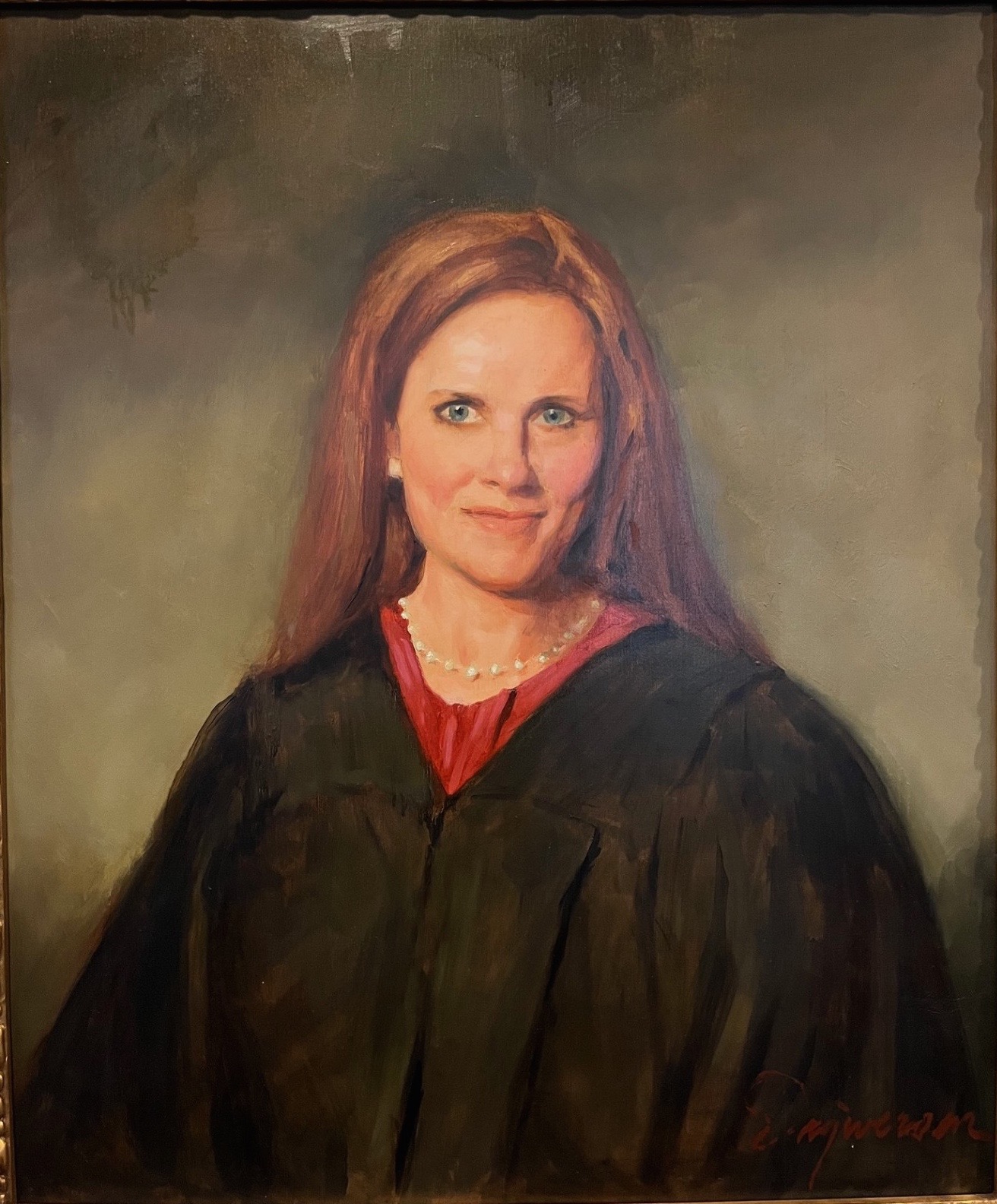
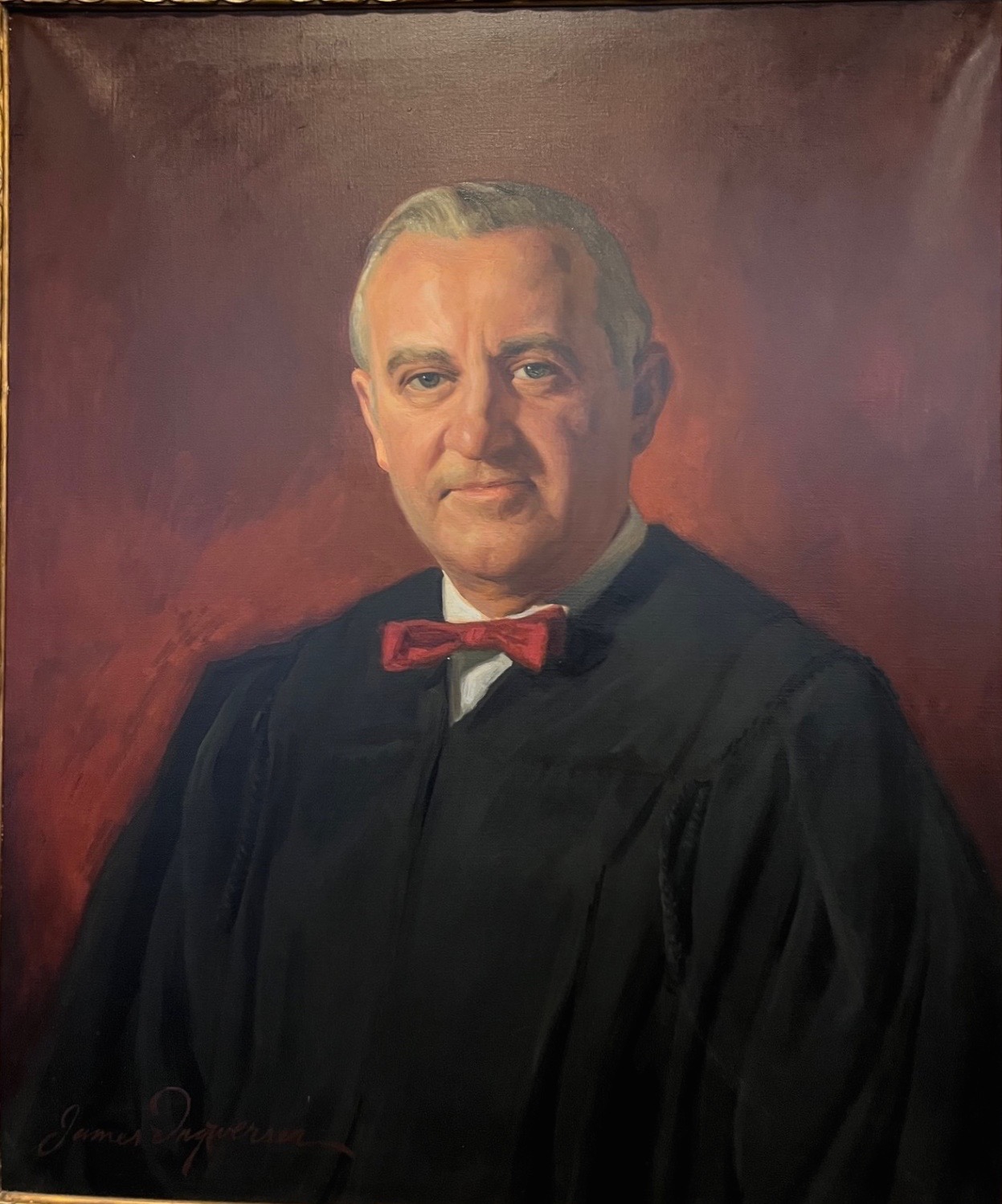
But Inwerson took that a step further, adding a third factor that made his paintings truly exceptional in that he created, within his subjects, ideals of human potential that go beyond the individual. In each of his portraits he created an image of dignity, civility and good character, not as a means of flattery but as a symbol of a larger, more personal vision. His portraits offer us genuine portrayals of people who are undoubtedly very human but who also embody principles that go beyond even themselves.
Ingwersen painted a world he preferred to live in. And if his vision interests people today, it is because he offered to us a form of hope that the world would someday be populated by people with qualities he chose to depict in his paintings. Otherwise, given his character, he probably would have been just as happy to keep that hope, or that dream, for himself.